

Want to support free content?
Let us know who you are!
Why am I seeing this?
LearnOncology.ca is a free educational content provider. If you want to support our editors (powered by caffeine and no sleep), fill in the following info to let us know who is using the site. We use cookies to prevent this popup from coming up frequently. Continue using the site if you are happy with this.


The following module was designed to supplement medical students’ learning in the clinic. Please take the time to read through each module by clicking the headings below. Information on equity, diversity, inclusion, and personalized, patient-centred care is provided. By the end of the tutorial, the following objectives should be addressed:
North America is a diverse continent with opportunities to learn and grow from people with differing backgrounds and perspectives. These unique experiences and views can strengthen the healthcare system by helping providers better understand the social determinants of health, recognize barriers to care and deliver services more responsive to the needs of diverse communities [5]. Individual attributes, both visible and hidden, that contribute to differences in lived experiences include:
Healthcare providers are often in a privileged position to learn from and engage alongside the lived experiences of individuals from diverse backgrounds. Various studies have shown that diverse healthcare teams enhance clinical decision-making accuracy, boost patient satisfaction, and result in better health outcomes compared to uniform groups [1, 2]. Additionally, some patients may prefer interacting with health professionals from similar backgrounds [4].
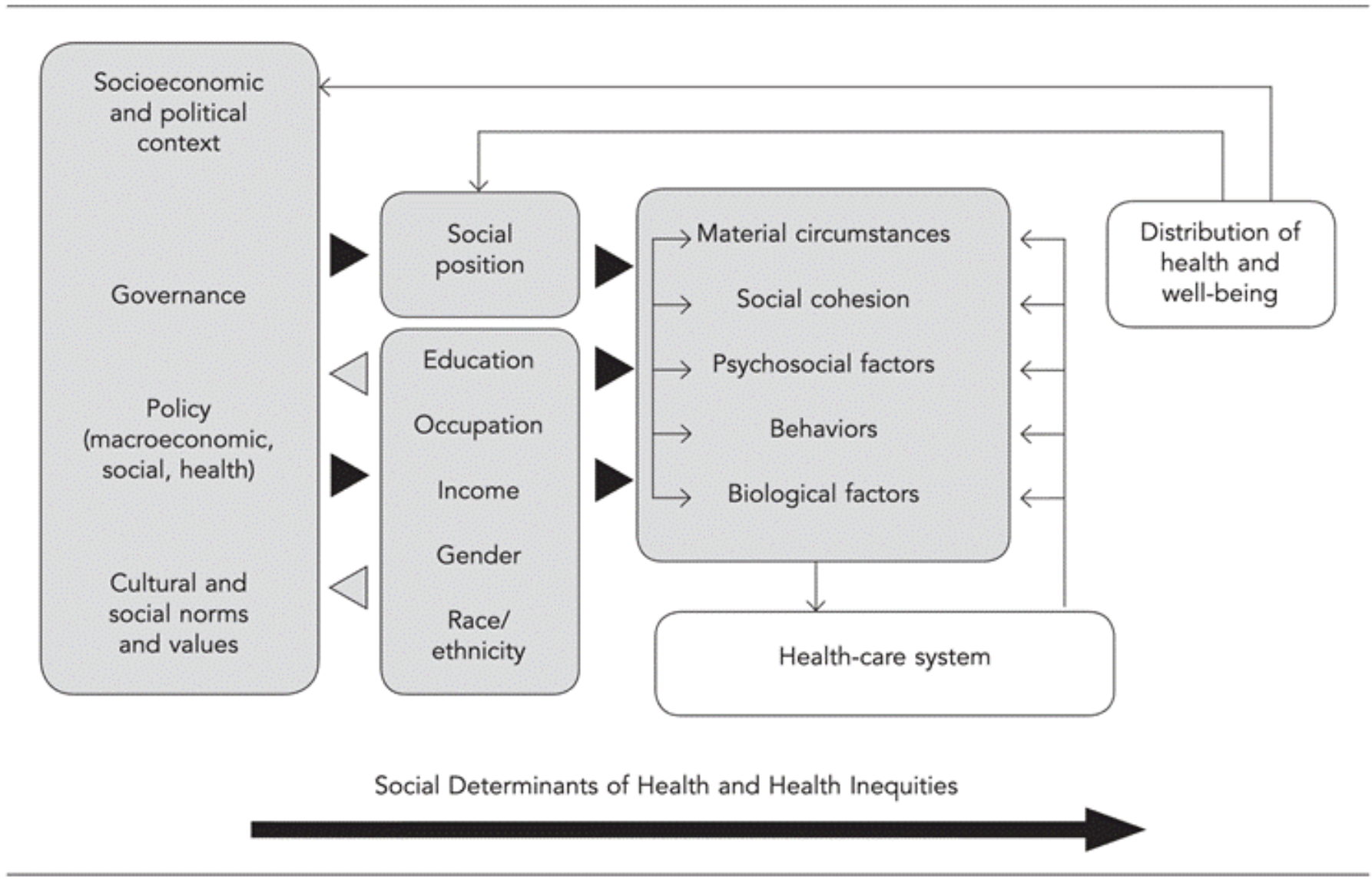
Intersectionality refers to how different overlapping social identities interact with systems of power, privilege, and discrimination to shape their experiences. These identities may include class/socioeconomic status, sex, race, ethnicity, gender identity, sexual orientation, religion, age, disability and geographic location. They overlap to create experiences that can not be understood by examining each identity in isolation [1,2]. The Wheel of Power below identifies several social identities and shows how they may influence a person’s position in society. The closer an individual is to the centre of the wheel within a category, the more societal power they likely possess [3].
.png)
Despite major advances in cancer prevention, diagnosis, and treatment, disparities continue across the cancer continuum. In Canada, historically marginalized populations, including Black and Indigenous populations, those with lower socioeconomic status (SES) and rural communities, continue to experience barriers to cancer screening, diagnosis, access to high-quality treatment and survival [4,5]. Examples of intersectional inequities include:
Sexual minority women are generally less likely than heterosexual women to participate in some cancer-prevention and screening practices such as mammography. These differences were also influenced by other identities such as age, race/ethnicity, SES and previous experiences of discrimination from healthcare providers. Older sexual minority women, especially those who had a lower SES, experienced pronounced barriers to cervical cancer screening [1].
Race and sexual orientation intersect to influence a patient’s trust in the healthcare system; as a result, patients were less likely to pursue diagnostic assessment after an abnormal screening result. This distrust was greatest among Black sexual minority women, followed by White sexual minority women, Black heterosexual women, and White heterosexual women [1].
Among patients with early-stage pancreatic cancer, White patients of higher SES were more likely to receive treatment and had longer survival than non-white patients of lower SES. After accounting for race and ethnicity, socioeconomic disadvantage explained approximately 43%-48% of the treatment disparity [1].
Understanding intersectionality can help healthcare providers recognize how a patient’s identities, social circumstances, and experiences with healthcare shape their access to care. Rather than making assumptions based on one aspect of a patient’s identity, providers should ask about each patient’s social identities (through comprehensive history taking), sources of support, and potential barriers to screening, treatment, and follow-up [1,2].
An intersectional approach can also encourage healthcare providers to [2]:
It is important to recognize that both biological factors (such as genetic, hormonal, and physiological aspects) and gender-related influences (including socio-economic and cultural factors) can influence patient outcomes. Recognizing that health conditions may manifest differently across individuals has contributed to a shift away from a “one-size-fits-all” approach toward personalized medicine. By considering individual differences when making diagnostic and treatment decisions, healthcare providers can better tailor care to each patient's needs.
Historically, women have been underrepresented in medicine, although this gap has narrowed substantially over recent decades [3]. Women now make up approximately half of medical school graduates, and their participation in clinical trials is steadily increasing. These changes have contributed to better care and outcomes for female patients [1-5]. Despite these advances, it is important to note that disparities remain in certain specialties, such as Radiation Oncology and other surgical subspecialties, where representation of women still falls behind that of men [3,6].
In addition to representation, it is important to consider aspects of fertility and sexual health, especially as they relate to cancer care and survivorship. Cancer treatments can impact reproductive health and sexual function, making these topics especially relevant for patient counselling and individualized care. A 2012 Canadian study found that fertility preservation services for female cancer patients were severely underutilized, with markedly low referral volumes reported by most fertility clinics despite over 4,000 women of reproductive age being diagnosed with cancer annually [7]. Currently, Canada has no comprehensive national or provincial policy ensuring universal access to oncofertility services such as sperm or egg cryopreservation. While public health insurance covers the cost of medical consultations, patients are typically responsible for the significant expenses associated with fertility preservation procedures, including ovarian stimulation medications, egg retrieval, cryopreservation, and ongoing storage [7]. For many, these out-of-pocket costs can be prohibitive, adding another layer of stress during an already challenging time.
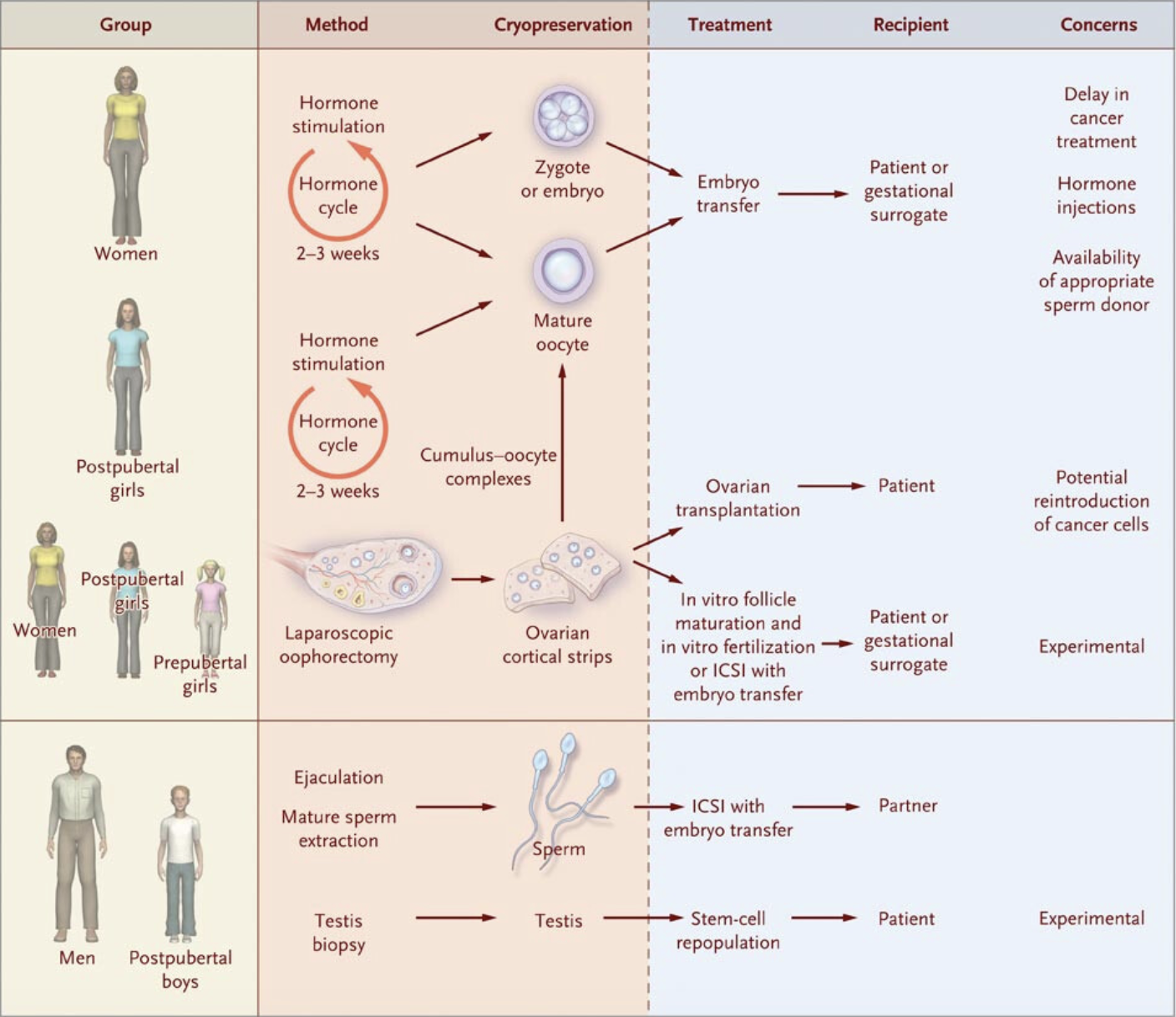
Sexual health is an important and often overlooked part of cancer care. Sexual dysfunction prevalence after cancer treatment ranges from 40-100% among individuals, varying by diagnosis, treatment modality, and assessment method [9]. The experience is unique for everyone, but treatment affects not only physical health but can also negatively impact individuals’ sense of intimacy and sexual well-being. Examples of treatment-specific side effects include [10]:
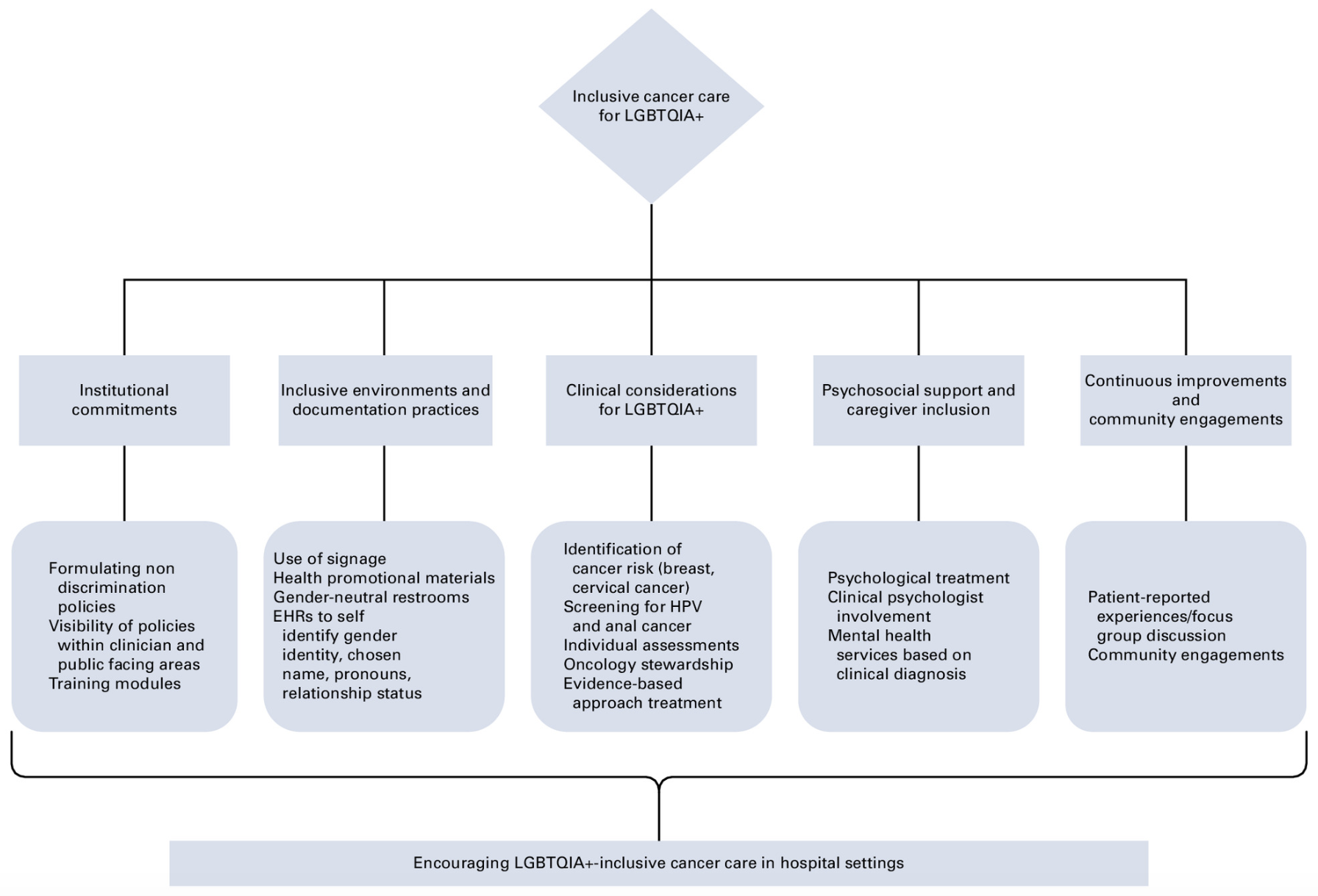
Sexual and gender minorities (SGM), including individuals who are Two-Spirit, Lesbian, Gay, Bisexual, Transgender, Queer, Intersex and Asexual (2SLGBTQIA+), often face unique challenges when it comes to cancer care. Many SGM encounter barriers such as a lack of understanding of their psychosocial needs, the fear of identity disclosure, non-recognition of partners, and limited access to support groups in cancer care that reflect their experiences [11,12]. For many transgender individuals, procedures like mammograms or pelvic exams can be deeply distressing and may cause significant anxiety, sometimes leading to avoidance of important preventative health screenings. For example, transgender men with a cervix still require regular Pap tests and transgender women on estrogen may have a slightly higher breast cancer risk compared to cisgender men [13]. SGM are also more likely to use tobacco, which increases the risk of lung, head, and neck cancers [14]. SGM cancer survivors also often report higher levels of stress, which can negatively impact survivorship and recovery [11].
Positive patient-focused models prioritize each patient’s values, open communication and shared decision-making. Using gender-inclusive language can help patients feel recognized and respected while reducing assumptions about their identity, anatomy, and healthcare needs [16-18].
Strategies healthcare providers can use include:
Healthcare providers should educate themselves about the needs of SGM populations while recognizing that each patient’s preferences and experiences differ. Creating a space where patients feel comfortable discussing their identity and healthcare needs is essential to respectful, patient-centred, and gender-inclusive cancer care [15-18].
A critical barrier unique to the Canadian context is that the Canadian Cancer Registry does not collect demographic data beyond age and sex, which poses a unique challenge in monitoring health inequalities by race or ethnicity [1]. Canadian frameworks lack a common reference point for racial and ethnic categories, which means that racial cancer disparities in Canada are likely underestimated and under-monitored, with the most striking inequities affecting Indigenous and Black Canadians [2]. Without standardized data collection, monitoring disparities and evaluation of interventions remain severely limited.
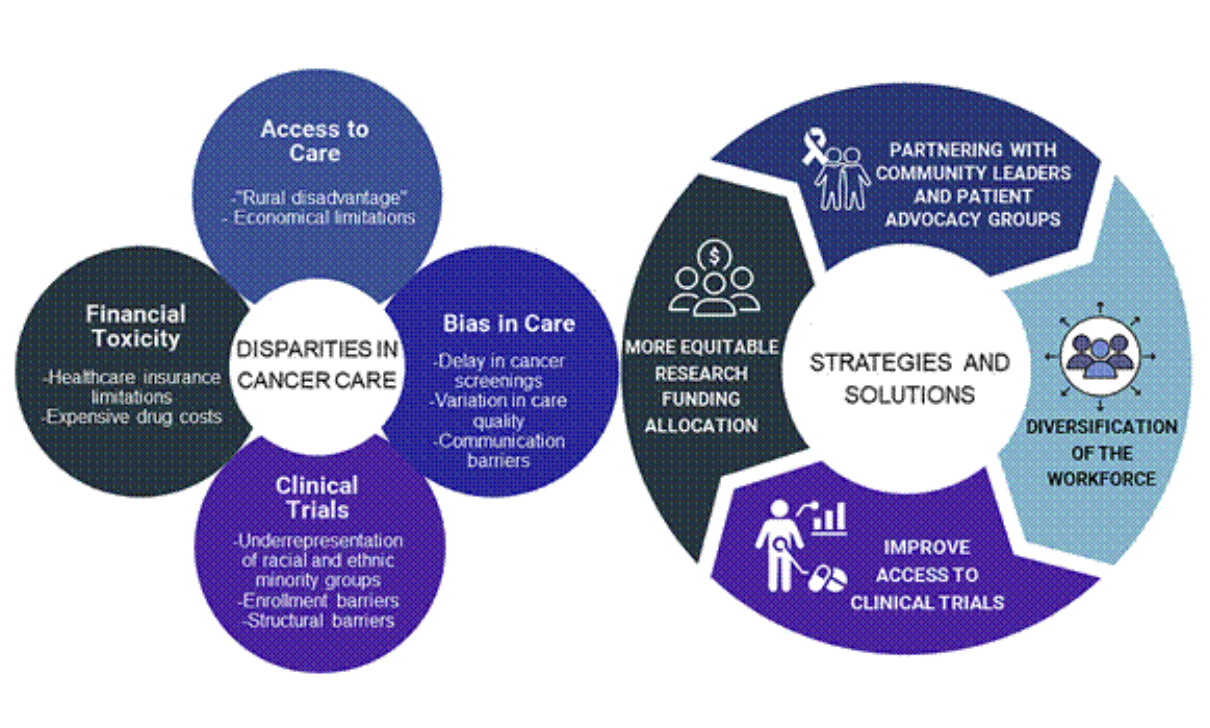
Limited access to high-quality care, health insurance, and specialized services remains a persistent barrier for individuals from communities of colour, particularly for those living in rural communities or low-resource settings [1-5]. As a result, there is a higher incidence of preventable cancers in these populations, often because of restricted access to screening and timely treatment. For example, cervical cancer rates are much higher in developing countries compared to developed countries, and people in rural areas may have more difficulty accessing cancer care than those in urban centres. Transportation barriers and a lack of childcare, especially in communities of colour, can further delay diagnosis, interrupt treatment, or even prevent patients from completing their therapy [6, 7]. Another important issue is the underrepresentation of these groups in cancer research, which means it is not always fully understood how treatment effectiveness may vary across diverse populations.
On an individual level, several factors can contribute to disparities in cancer care. Implicit bias, often unconscious, can lead to unequal treatment, such as lower rates of referrals for Black patients with early-stage lung or colorectal cancer [8]. Among Indigenous communities, mistrust in the healthcare system, which is frequently rooted in intergenerational trauma, can also pose barriers to seeking and receiving care [5, 9]. Communication gaps between patients and providers may hinder understanding and shared decision-making. Additionally, underdiagnosis remains a concern, especially when conditions such as skin cancer or treatment-related toxicities present differently in people with darker skin tones [10,11]. These individual-level challenges highlight the importance of awareness, sensitivity, and ongoing education for healthcare providers.
Biological factors also contribute to disparities in cancer outcomes. For instance, disease aggressiveness can vary by population. Black women are more likely to be diagnosed with triple-negative breast cancer, Black men have a higher incidence of aggressive prostate cancer, and people of East Asian descent are more likely to be diagnosed with EGFR-positive lung cancer [12]. Genetic differences can influence the prevalence of a specific mutation and may affect both cancer susceptibility and patients' responses to treatment [13]. Recognizing these biological differences is key to providing personalized care and improving outcomes for all patients.
Key strategies that can help address inequities in cancer care emerging from Canadian literature include [2,6,7,9,14]:
One important approach is to involve patient navigators as part of the healthcare team. These professionals can help reduce delays in diagnosis and treatment by guiding patients through complex systems and supporting them at every step. Training providers in culturally sensitive care is equally essential, as it fosters trust and enables better communication between patients and clinicians. Increasing the diversity of oncologists and researchers can also make a significant difference by helping patients feel seen and understood and improving collaboration within care teams. Finally, implementing high-quality, standardized clinical guidelines at the system level helps ensure that every patient receives consistent, evidence-based care, regardless of their background.
Distrust between marginalized populations and the healthcare system is rooted in history and maintained by the current state of health inequities. Historically, Black and Indigenous communities have experienced discrimination and mistreatment by healthcare institutions entrusted with keeping them safe and healthy. These experiences create generations of trauma and populations that may not feel safe seeking care, disclosing concerns, participating in research, or accepting treatment recommendations [4,6,7,15].
One notable example is the U.S. Public Health Service Study at Tuskegee. Between 1932 and 1972, researchers recruited 600 African American men to study the natural progression of syphilis. Patients were not informed of the study's true purpose or their diagnosis and were not provided treatment, even after penicillin became the standard treatment in 1947. This deception and mistreatment contributed to longstanding distrust of healthcare and medical research among Black communities [16].
In Canada, distrust among Indigenous Peoples is connected to the healthcare system's involvement in colonial policies and practices, including residential schools, segregated Indian hospitals, Inuit tuberculosis sanatoria, medical experimentation, and the forced sterilization of Indigenous women. Indigenous patients also continue to experience racism, stereotyping, dismissal of their concerns, and a lack of culturally safe care [3,5,17,18]. The deaths of Brian Sinclair and Joyce Echaquan reinforce that these concerns are not limited to the past [17,18].
Historical and ongoing discrimination contributes to distrust of the healthcare system [5,17,18]. In oncology, this distrust affects whether patients undergo screening or diagnostic testing and feel comfortable following treatment recommendations. Healthcare providers can help build trust by listening without judgment, clearly explaining treatment options, supporting shared decision-making, and involving cultural supports such as Indigenous patient navigators when requested [7,17]. Providers should also reflect on their own implicit biases and advocate for culturally safe, anti-racist healthcare [17,18].
First Nations, Inuit and Métis Peoples continue to experience significant barriers to equitable healthcare, including cancer care. Barriers such as inadequate healthcare infrastructure in many rural and remote communities, systemic racism, jurisdictional complexities between federal and provincial healthcare systems, and limited access to culturally safe care contribute to delays in cancer screening, diagnosis, treatment, and follow-up [3,5]. As a result, Indigenous Peoples experience poorer health outcomes, including lower life expectancy, a greater burden of chronic disease, higher incidence of some cancers (e.g., lung, cervical, and colorectal cancers), and higher cancer-related mortality [3,5,9].
These disparities are rooted in Canada's colonial history and the ongoing impacts of policies such as the Indian Act, the residential school system, and the Sixties Scoop, which resulted in the loss of language, culture, identity, and intergenerational trauma [17,18]. Historical and ongoing experiences of racism in healthcare, including coerced and forced sterilizations and well-documented cases of discrimination, have contributed to mistrust of the healthcare system among many Indigenous Peoples [5,17,18].
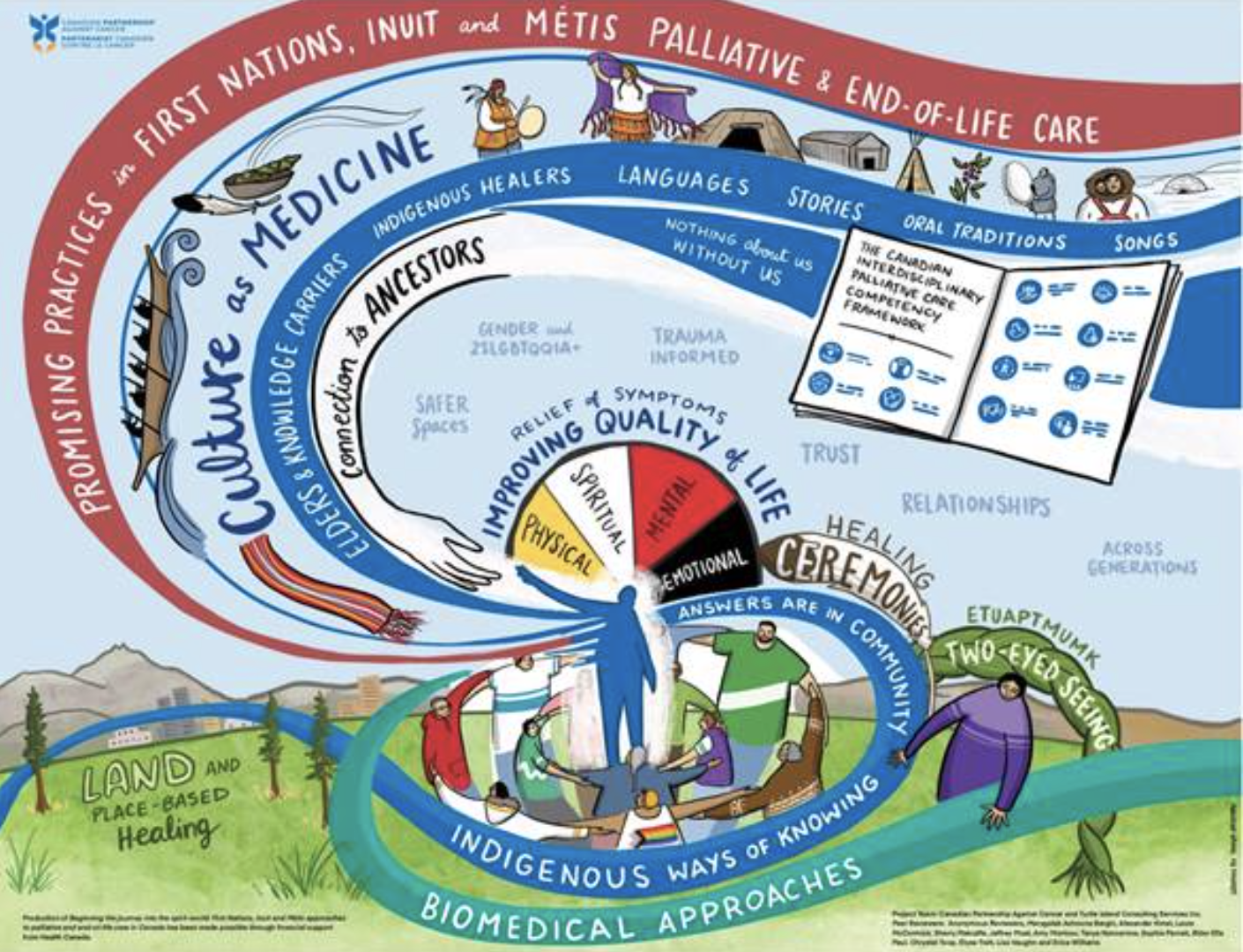
Providing equitable oncology care requires addressing systemic racism and the social determinants of health while delivering culturally safe, patient-centred care [7,17]. Indigenous-led healthcare partnerships integrate traditional Indigenous healing practices with Western medicine and have been shown to improve access to care, adherence to treatment plans, and health outcomes [19].
Socioeconomic status (SES) is commonly measured using factors such as income, education, employment, and place of residence. Unfortunately, as economic inequality increases, differences in health outcomes between the poorest and wealthiest members of society also widen. This pattern extends to oncology: cancer incidence, screening, access to treatment, and survival rates differ across socioeconomic groups. In general, individuals with lower SES have lower screening and treatment uptake and poorer cancer survival [1].
Financial barriers can affect patients throughout the cancer care continuum. Even in Canada’s publicly funded healthcare system, patients may face expenses related to medications, transportation, parking, accommodation, and childcare [2]. Individuals with precarious employment such as temporary, seasonal, part-time, contract, or hourly work may be particularly affected because they have limited paid sick leave, health benefits, and flexibility to attend appointments. As a result, patients may delay screening, miss appointments, or have difficulty completing treatment [3].
Lower SES is also associated with differences in cancer risk, including a higher incidence of lung cancers. Several factors contribute to this, including increased smoking, alcohol use, exposure to occupational hazards, and lack of health literacy and advocacy amongst those from a lower SES [1]. Cancer can also worsen existing socioeconomic disadvantages. For example, individuals of lower SES have higher rates of unemployment
Healthcare providers should recognize that missed appointments or difficulty following a treatment plan may reflect financial or employment barriers rather than a lack of interest in receiving care. Providers’ assumptions about people with a lower SES may also influence clinical decision-making and contribute to inequitable care [4].
Social workers, patient navigators and care coordinators can help patients understand available benefits/grants, medication coverage, access transportation or accommodation support, and address changes in employment or income. Clinical provider teams must assess any financial concerns patients share and refer early to these services, which may reduce the burden placed on patients to navigate these complex systems independently [5,6].
Cultural and religious beliefs can deeply influence a patient’s healthcare experience, including how they prefer to receive information about a cancer diagnosis, make treatment decisions, and approach serious illness and end-of-life care. In some Eastern cultures, families play a central role in making treatment decisions, whereas in many Western cultures, individual autonomy is prioritized. Communication styles and expectations around modesty also differ across cultures, so involving professional interpreters or providers of the same gender may help patients feel comfortable, safe, and able to understand their diagnosis and treatment options fully [1].
Some patients may also prefer family-centred communication. In many non-Western cultures, family members may ask to receive difficult information before the patient or request that a cancer diagnosis be withheld from elderly relatives to preserve hope and minimize distress [2]. This approach is often influenced by filial piety, which emphasizes children's responsibility to care for and protect older family members, with relatives assuming much of the emotional burden of difficult healthcare decisions [5]. Because preferences vary widely among individuals, healthcare providers should ask patients how they would like information shared and who they wish to be involved in decision-making. Helpful questions include:
Disclosure practices vary across cultures. Providers should be sensitive to these differences but should not withhold information solely at a family member’s request without first understanding the patient’s preferences. Culturally responsive communication can strengthen trust, shared decision-making, and engagement with care [2,5].
Dietary and ritual practices may affect medication schedules, hospital nutrition, or treatment management. Examples of important practices healthcare providers should consider when treating patients from diverse backgrounds include [4]:
Attitudes toward end-of-life care can vary, especially if patients favour faith-based acceptance of death over aggressive treatments [4]. Additionally, religious beliefs regarding blood transfusions, palliative care, and medical aid in dying influence patients' care preferences. Providing access to spiritual supports, such as chaplains, Elders, or religious leaders, can help patients and families cope with illness and difficult decisions.
For example, many Muslims may wish to have family members or an Imam present in the final moments of life to recite verses from the Quran and encourage the dying person to repeat the Shahada ("There is no God but Allah, and Muhammad is the messenger of Allah") or prayers seeking forgiveness [6,7]. During the Islamic month of Ramadan, some individuals may choose to fast despite exemptions for those who are ill, travelling, pregnant, elderly, or otherwise unable to do so. Healthcare providers should discuss how fasting affects treatment plans and work collaboratively with patients to balance their religious beliefs and medical needs [6]. Regarding end-of-life care, many Islamic scholars consider withholding or withdrawing life-sustaining treatment to be permissible under specific circumstances when treatment is deemed futile, whereas physician-assisted death and euthanasia are prohibited because they are considered contrary to the Islamic principle of the sanctity of life [6]. Following death, family members may request that the body be handled with respect and modesty, with same gender caregivers whenever possible, especially for female individuals. Many Muslim families also prefer prompt release of the body because burial typically occurs as soon as possible, often within 24 hours. Understanding these practices and accommodating them whenever medically feasible can help provide culturally sensitive, patient-centred end-of-life care [6,7].
Language barriers can make it difficult for patients to understand their diagnosis, treatment options, and potential side effects, contributing to poor communication and quality of care. Professional medical interpreters can improve communication and patient satisfaction, with in-person professional interpretation producing the best outcomes. Although family members or friends may provide useful context, relying on them as interpreters can lead to omissions, changes in meaning, and confidentiality concerns [1].
Health literacy refers to the person’s ability to access, understand, and use health information when making decisions about their care. Visual aids such as diagrams, pictograms, videos, and physical models can help providers explain medical conditions and treatments. Studies have found that visual aids improve comprehension, health literacy and medication compliance, especially among those with lower literacy. Pictograms and videos appear to be especially effective [2,3]. These tools can make health information easier to understand and help patients make informed decisions about their care.
Patients with disabilities or those who are elderly often face unique challenges when accessing cancer care. Transportation and access to appointments can be major hurdles, so features such as ramps, elevators, wheelchairs, volunteer drivers, taxi vouchers, and adjustable exam tables/diagnostic equipment are important for accommodating a range of needs [1,2]. Sensory accommodations, including Braille or large-print materials and assistive listening devices or ASL interpreters, can help make medical care more inclusive [3,4]. Appropriately assessing performance status is crucial, especially when a temporary limitation may not reflect a patient’s overall health. For example, a patient with considerable functional impairment due to a motor cortex lesion from an aggressive brain tumour such as a glioblastoma should not be automatically excluded from radical, curative-intent treatment if it is deemed safe otherwise. Treatment options should be tailored to prevent worsening side effects, such as avoiding certain chemotherapies in patients with pre-existing neuropathy. Communication must be clear and concise, using visual aids and minimizing medical jargon to ensure understanding. Educational materials should be accessible and easy to read, and providers should avoid assumptions about competence and encourage patient involvement in decisions about their care.
.png)
This module highlights the significance of equity, diversity, and inclusion (EDI) in oncology, focusing on how identity, social factors, and systemic barriers influence cancer care and patient outcomes. It summarizes the disparities in access, diagnosis, and treatment related to gender/sexual identity, race/ethnicity, culture, socioeconomic status, age, and functional status, and offers practical strategies to reduce these gaps. Strategies explored include inclusive policies, culturally sensitive communication, and patient navigation to foster a holistic, patient-centred approach. This module equips health care providers to recognize and address inequities, with the ultimate goal of improving cancer care for all patients.
Use your mouse to click through the slides and answer each question in the text box provided.
Note: This case can be completed on an iPad. To do this download the (free) Articulate Mobile Player for the iPad by clicking here.
